
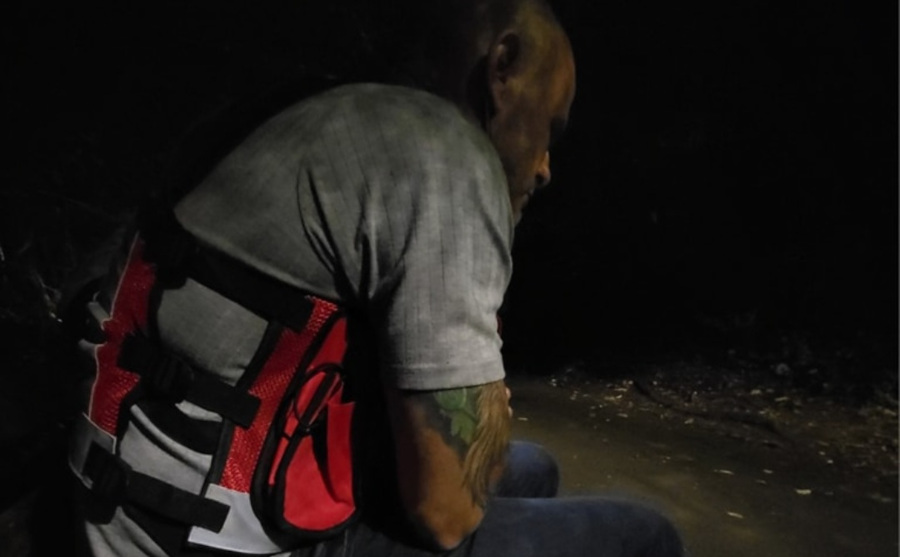
How we help
If you find yourself in a suicidal crisis, it’s crucial to reach out for help immediately. First and foremost, contact emergency services on 999 as they are equipped to provide immediate assistance.
You don’t have to face this alone, and there are people ready to support you. Reach out to friends, family, or someone you trust to share your feelings. It’s important to express the severity of your situation so that those around you can provide the necessary support. Additionally, consider contacting a mental health hotline or crisis intervention service.
Professionals on these hotlines are trained to offer empathetic and understanding support during difficult times. Remember that seeking help is a sign of strength, and there are resources available to assist you in overcoming the challenges you’re facing. Don’t hesitate to take that crucial step toward your well-being by connecting with the appropriate support systems.

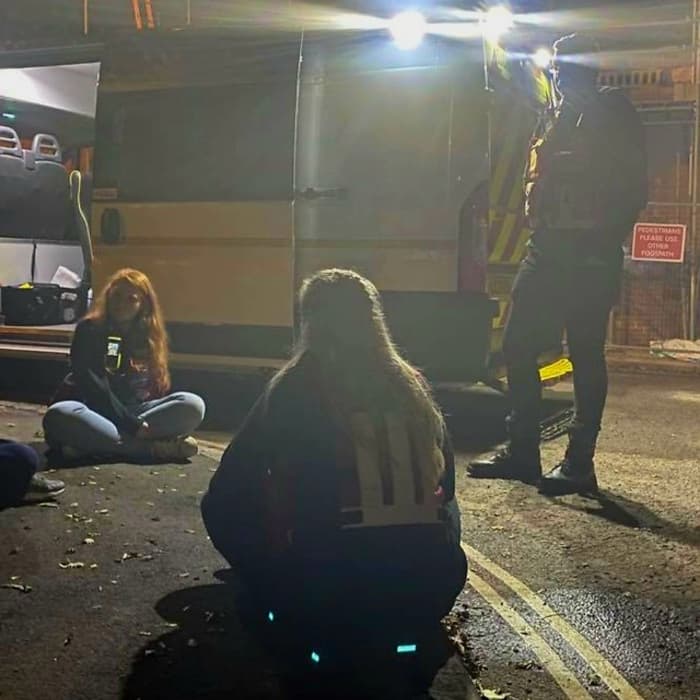
How do I know if I am in a crisis?
Recognizing if you are in a crisis is essential for your well-being, and certain thoughts and feelings can indicate the need for immediate help.
If you find yourself repeatedly thinking phrases such as “I want to kill myself,” “I want to die,” “How do I kill myself”, or “I don’t want to be alive anymore,” these are significant warning signs that you may be in a crisis. It’s crucial to take these thoughts seriously and not dismiss them.
Other signs of a crisis can include overwhelming feelings of hopelessness, isolation, or an inability to cope with daily life. If you are actively researching or considering methods on how to end your life, it’s a clear indication that urgent support is needed. In such situations, reaching out to friends, family, or a mental health professional is crucial.
Remember, seeking help is a sign of strength, and there are resources available to provide the support and care you need during challenging times.
Safety first!
If you have been taking suicidal actions, OR you have tried to hurt yourself today or made a recent suicide attempt, get help immediately by calling 999.
If you are having intense suicidal thoughts or urges, you can use the numbers below to get help:
What Do I Do In An Emergency?
You could be faced with when working towards safety with person at risk of suicide is not possible. This could be a number of reasons, but not limited to:- if they are going to immediately act on their thoughts of suicide or it could be if a person has already taken steps to end their life. Our advice in these circumstances is very simple – seek emergency help NOW.
If you’re with a person who has taken steps or cannot stay safe, accompany them to A&E, BUT only if you can do so safely, or call an ambulance to get you there.
This is the right thing to do and is really not a waste of emergency services time as some people fear. Look at it this way If someone is having a heart attack the outcome could be death – just the same as if someone has tried to take their own life. Therefore, in this situation, calling an ambulance is the right action to take.
If you’re worried that the person you’re with or in contact with cannot stay safe or has taken steps to end their life but is struggling to engage in help for themselves – call the police on 999. This also goes for if someone is missing.
Please don’t think this is not to get someone into trouble, it’s really not – the police have the resources to find those who are vulnerable to suicide and get help to them quickly, working alongside other emergency services across Bristol and the UK.
What Do I Do In An Emergency?
In an emergency CALL 999 – ASK for the POLICE; give them clear information that you’re worried for a person’s safety.
Information to give to call taker:-
Any other concerns such as:- Anything that they have said to you,or anything they have taken.
Their Name (if known)
Their Location
Description – (what they are wearing, colour of hair etc)
You need emergency help if you have already taken steps to end your life or if your thoughts of suicide are particularly intense right now and you feel unable to stay safe from suicide.
To get emergency help, you can visit the A&E department at local hospitals or 999 and ask for some emergency support, give them as much information as you can.
NHS 111 can advise you about where to get help such as a walk-in centre or an out of hour’s doctor. They may also have information about ‘safe spaces’ you can access in your local area when you are struggling to stay safe from suicide.
999 can support you in an emergency too, the operator can talk to you about different types of immediate support the emergency services can offer.
We know that talking about suicide is a nerve-wracking thing to do – for the person who is suicidal and for anyone who may be concerned about them.
If you are asking a loved one, family member or friend if they are suicidal, it can be distressing to learn that they feel this way and it can difficult to take in.
Lots of people we come across worry that asking and talking about suicide will make suicide more likely to happen – THIS is really NOT the case at all. Asking a direct question that requires a yes or no answer will ensure that there is no confusion and that the person will understand you are asking them about suicide and nothing else, no cross wires.
Potentially, sharing these feelings with someone for the first time may give this person a huge sense of relief. For many years, people have believed that asking about suicide could put the idea of suicide into someone’s head. – Again THIS is really NOT the case at all, If someone is thinking of suicide, they’re already thinking about suicide. It’s not always easy to know if someone is suicidal. After all, we cannot read other people’s minds to truly understand how they are feeling in any given moment.
Sometimes though, there may be signs that a person is feeling suicidal; some signs are more obvious than others and some can be quite subtle. After all, some people may not have the skills, confidence or language to describe how they feel. Therefore, we might need to pay a little more attention than usual. Alternatively, some people may be more comfortable directly expressing their thoughts of suicide which will allow us to explore them further.
At this point I hear you speaking to your screen saying HELP me, what might the signs be?
People thinking about suicide often invite us to ask directly if suicide has become an option for them.
Trust us when we say that there is no exhaustive list of ‘invitations’ but changes in behaviour (loss of interest/withdrawal, giving away possessions), physical indicators (weight loss, lack of interest in appearance), expressing thoughts or feelings (Hopeless, sad, guilty, worthless) and the words/language being used (“I can’t take it anymore”, “Everyone would be better off without me”) could all be indicators that someone is experiencing thoughts of suicide.
The most important thing to do to ascertain if someone is struggling with thoughts of suicide is to ASK!
Where Can I Get Help?
Talking about our fears and feelings is really difficult – even to those we know and love. This can and does prevent other people from recognising distress and being able to help in crisis. Words are sometimes inadequate to convey the amount of pain a person may be suffering right now. It is easy to understand that someone is hurting if they have been badly injured or are physically ill. Emotional pain cannot be seen, so makes it a lot harder, but it can be as unbearable.
Who can I tell?
It is a really brave to step to open up and talk about thoughts of suicide. Have a think about who is in your life right now who you feel may be able to support you? There is a list below of some ideas of people who could support you.
- Your parents or partner
- Your GP
- A teacher
- A youth worker or counsellor
- Your friends or other family members
- Support services and helplines
What do I say?
We know that when asking for help, it can be scary to think about what to say or even how to say it. Planning what you’re going to say and when you’re going to say it can help with this.
What help is available?
We know its hard imagining what type of help or support you can access if you are feeling suicidal. as the help available can vary depending on where you live. Support might include:
- Talking therapies such as counselling or cognitive behavioural therapy
- Community Mental Health support
- Crisis services and sanctuaries
- Peer support
- Local crisis lines and national helplines
If you’re in a crisis
National Suicide Prevention Helpline UK
National Suicide Prevention Helpline UK is a helpline offering a supportive listening service to anyone with thoughts of suicide.
We are open from 6pm to Midnight every evening on 0800 587 0800. Anybody is welcome to call us if you need to talk.
Our helpline is here to support you when you feel you need us.
Shout Out
Shout is the UK’s first 24/7 text service, free on all major mobile networks, for anyone in?crisis?anytime, anywhere. It’s a place to go if you’re struggling to cope and you need immediate help.
Papyrus HOPELINEUK
For people under 35 struggling with suicidal feelings.
General mental health and support lines
CALM
CALM is the Campaign Against Living Miserably. Their helpline is for people in the UK who are down or have hit a wall for any reason, who need to talk or find information and support.
Mind
Promotes the views and needs of people with mental health problems.?
Rethink Mental Illness
Support and advice for people living with mental illness.
SANE
Emotional support, information and guidance for people affected by mental illness, their families and carers.
Samaritans
Confidential support for people experiencing feelings of distress or despair.
Support Line
Emotional support, advice and information particularly for people who are socially isolated, vulnerable, at risk or experiencing any form of abuse. Subjects include relationships, child abuse, anger, bullying, eating disorders, self-harm, domestic violence, rape and sexual assault. Emotional support is provided by telephone, email and post.
Epic Hope
Here at EPiC HOPE, we are driven to do our part in making the world a better place. Since 2022, we have been planning a way that we can drive real change for suicide prevention and intervention.
Andys Man Club
ANDYSMANCLUB are a men’s suicide prevention charity, offering free-to-attend peer-to-peer support groups across the United Kingdom and online. We want to end the stigma surrounding men’s mental health and help men through the power of conversation. #ITSOKAYTOTALK
Talk Club
Talk Club is a talking and listening club for men, offering talking groups, sports groups and therapy to help keep you mentally fit. It’s a simple medicine that starts with asking – How are you? Out of 10? By checking in regularly with yourself and other men, Talk Club creates a community that we are all missing in today’s world
Kooth
Anxiety
Anxiety UK?
Charity providing support if you have been diagnosed with an anxiety condition.?
No Panic?
Voluntary charity offering support for sufferers of panic attacks and obsessive compulsive disorder (OCD). Offers a course to help overcome your phobia or OCD.?
Bipolar
Bipolar UK?
A charity helping people living with manic depression or bipolar disorder.?
Email or use web-chat to arrange a peer support chat.
OCD
OCD Action?
Support for people with OCD, carers and anyone who is concerned about OCD or a related disorder. Includes information on treatment and online resources.?
OCD UK?
A charity run by people with OCD, for people with OCD. Includes facts, news and treatments.?
Gambling & addiction
Alcoholics Anonymous?
A charity run by people with OCD, for people with OCD. Includes facts, news and treatments.?
National Gambling Helpline?
Narcotics Anonymous?
Eating disorders
Beat Eating Disorders
Eating disorder helpline – offers a supportive space for people to explore their feelings and thoughts around eating disorders. Provide information about eating disorders and signpost to services that can help.
Helpline: 0808 801 0677
Studentline: 0808 801 0811
Youthline: 0808 801 0711
Helplines open 365 days a year from 12.00pm-8.00pm during the week and 4,00pm-8.00pm weekends and bank holidays
Email support
LGBTQ+
Switchboard
For people who identify as gay, lesbian, bisexual or transgender.
Phone operators all identify as LGBT+.
LGBT Foundation
Runs a free support line for anyone who identifies as LGBT. Currently supporting people who are worried about the coronavirus and need support with their wellbeing during this time.
Helpline: 0345 3 30 30 30
Lines open 9am-9pm Monday to Friday and 10am-6pm on Saturday and Sunday.
Faith
Muslim Community Helpline
Helpline: 0808 801 0677
Studentline: 0808 801 0811
Youthline: 0808 801 0711
Helplines open 365 days a year from 12.00pm-8.00pm during the week and 4,00pm-8.00pm weekends and bank holidays
Confidential, non-judgemental listening and emotional support service.
Open Monday to Thursday 10 am to 1 pm, Friday 10 am to 4 pm?(core hours)
Male counsellor available 6-8 PM (please email for appointment).
The Muslim Youth Helpline (MYH)
A charity which provides pioneering faith and culturally sensitive services to Muslim youth in the UK.
Jewish Helpline
Sunday-Thursday 12.00 pm to 12.00 am
Friday 12.00pm-3.00pm in Winter
Friday 12,00pm-6,00pm in Summer
Premier Lifeline
Helpline providing a listening service, information, emotional and spiritual support from a Christian perspective
Parents
Young Minds Parents’ helpline
Confidential online and telephone support, including information and advice, to any adult worried about the emotional problems, behaviour or mental health of a child or young person up to the age of 25.
Women
Juno Women’s Aid
24 hour freephone helpline providing support to women with or without children affected by domestic violence and abuse. Range of support services for women and children including refuges, outreach, drop in children’s services and a pet fostering service. The Team is experienced in working with women from all backgrounds including Black, Minority Ethnic and Refugee communities. Can also deal with honour-based violence, forced marriage, female genital mutilation, unsettled immigration status and no recourse to public funds.
Self-Injury Support
Confidential and anonymous helpline run by women offering emotional support, listening and signposting for women affected by self-injury. Calls are not recorded, and no personal information is passed on. Helpline number will not appear on telephone bills and is free to call from mobiles and landlines.
Young People
The Mix
For callers under 25. Get support via email, 1-2-1 chat or Crisis Messenger
Nightline Association
Provide emotional support to students in distress. The telephones are manned throughout the night during term time when other specialist university welfare services are closed. Nightline is confidential and anonymous. It can help with issues including academic stress, bullying, debt, loneliness, depression, bereavement, arguments with flatmates, concerns about friends, addictions, eating disorders or self-harm, relationship and family problems, sexuality, sexual abuse or abortion.
Search website for UK-wide contacts: www.nightline.ac.uk
Email: enquiries@nightline.ac.uk
Childline
This is a service provided by the NSPCC for children and young people under the age of 19.
Bereavement
Cruse Bereavement Care
Offers support, advice and information to children, young people and adults when someone dies.
Phone: 0808 808 1677 (Open Monday-Friday 9.30-5pm – excluding bank holidays – with extended hours on Tuesday, Wednesday and Thursday evenings, when the line is open until 8pm.)
The Compassionate Friends
UK National Helpline open every day of the year from 10:00am-4.00pm and 7.00pm- 10:00pm
Sobs – Survivors of Bereavement by Suicide
National helpline and other support services run by a self-help group for people bereaved by suicide. Helpline provides listening support and will put people in touch with their nearest local group. Monthly group meetings in various locations.