
At Suicide Prevention UK, our mission is simple — to be a visible, compassionate presence in places where people might be struggling the most. Our patrols regularly cover areas with increased suicide risk, including bridges, riversides, canals, towpaths, and secluded locations where people may go when they’re in crisis.
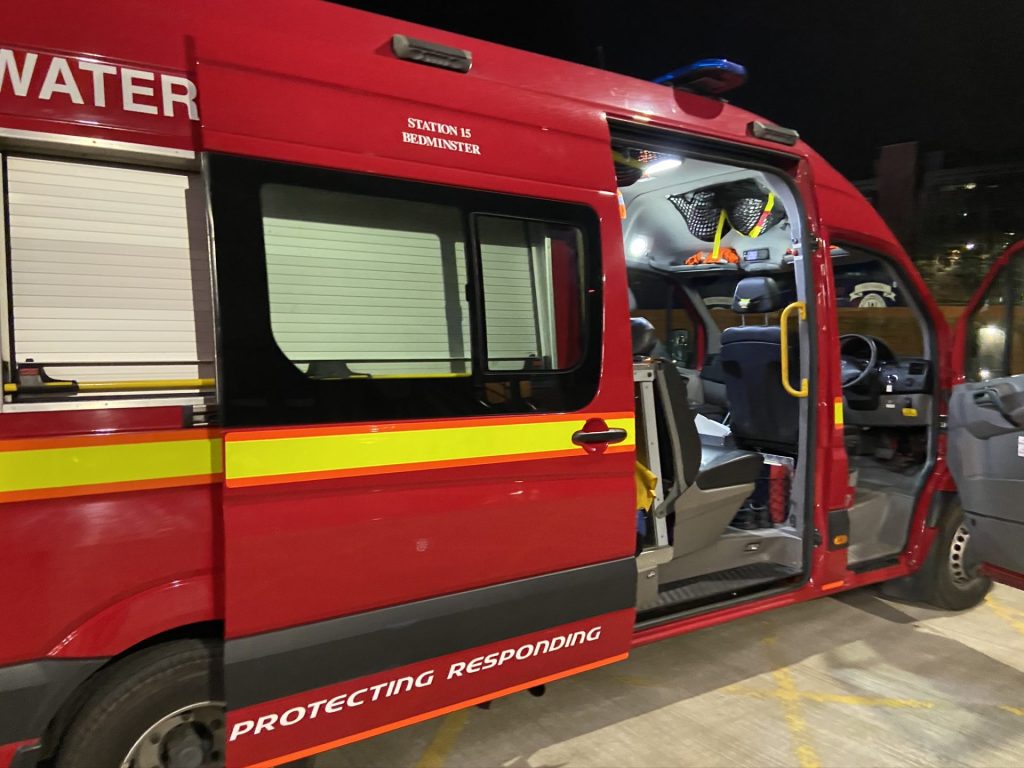
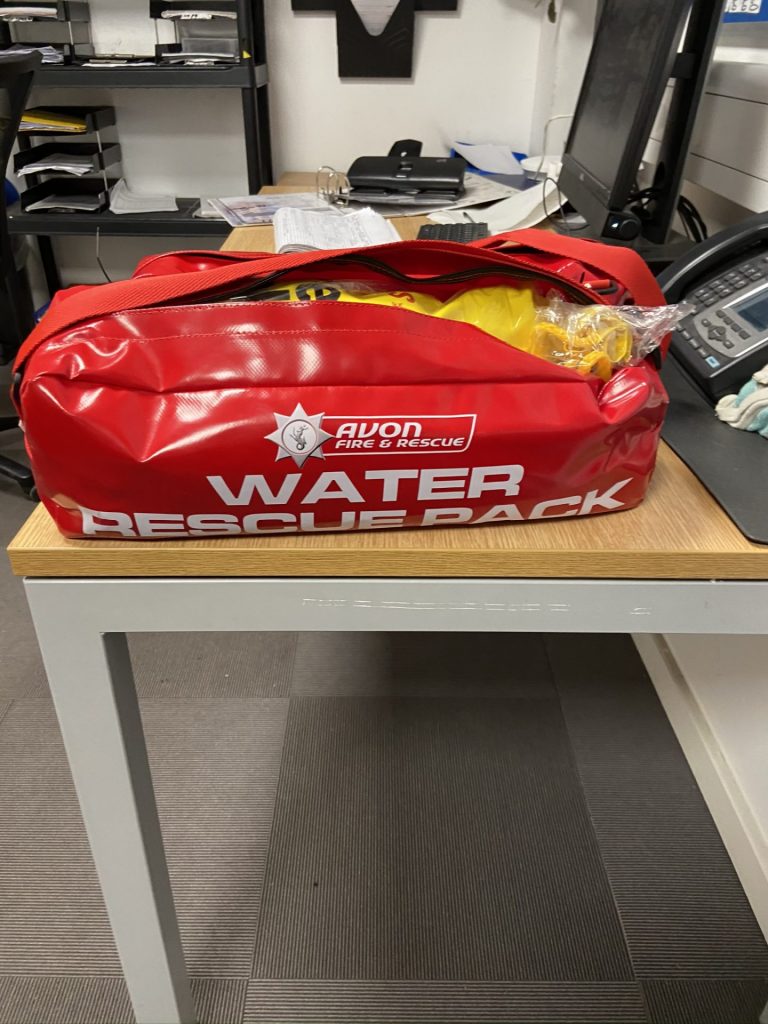
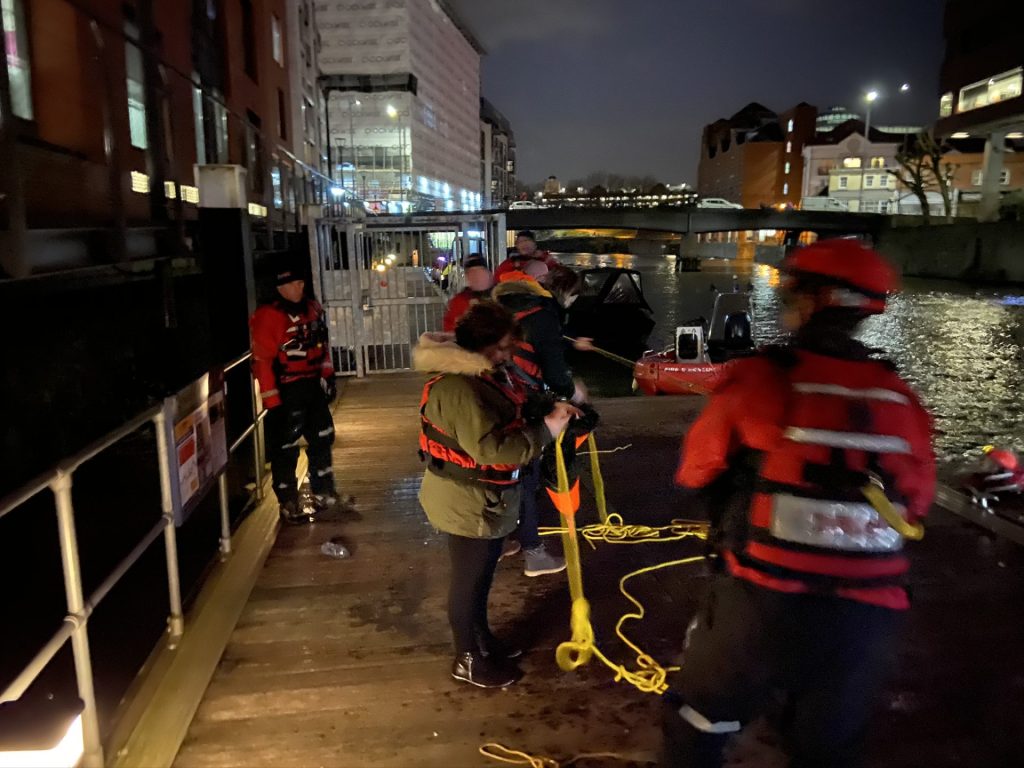
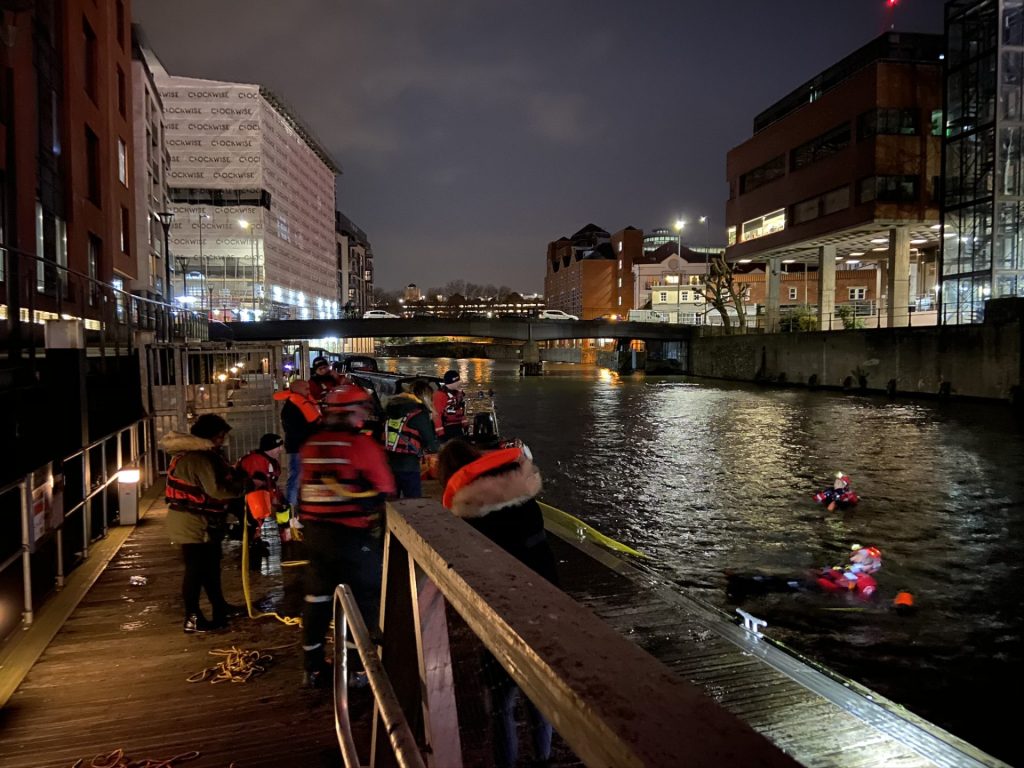
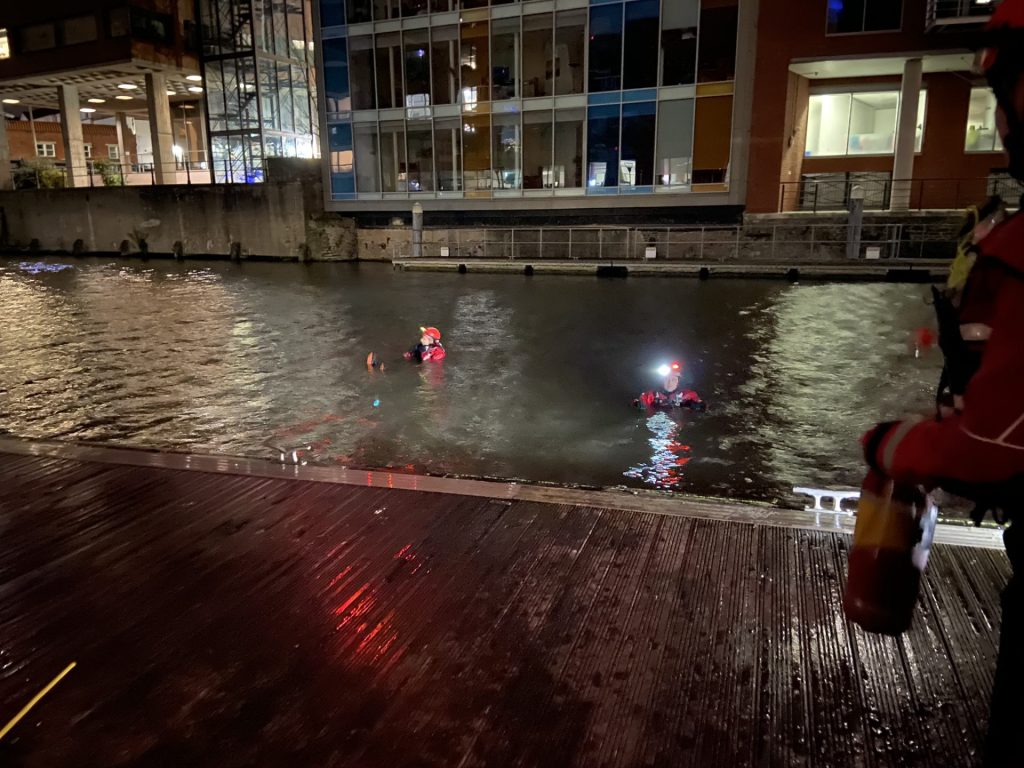
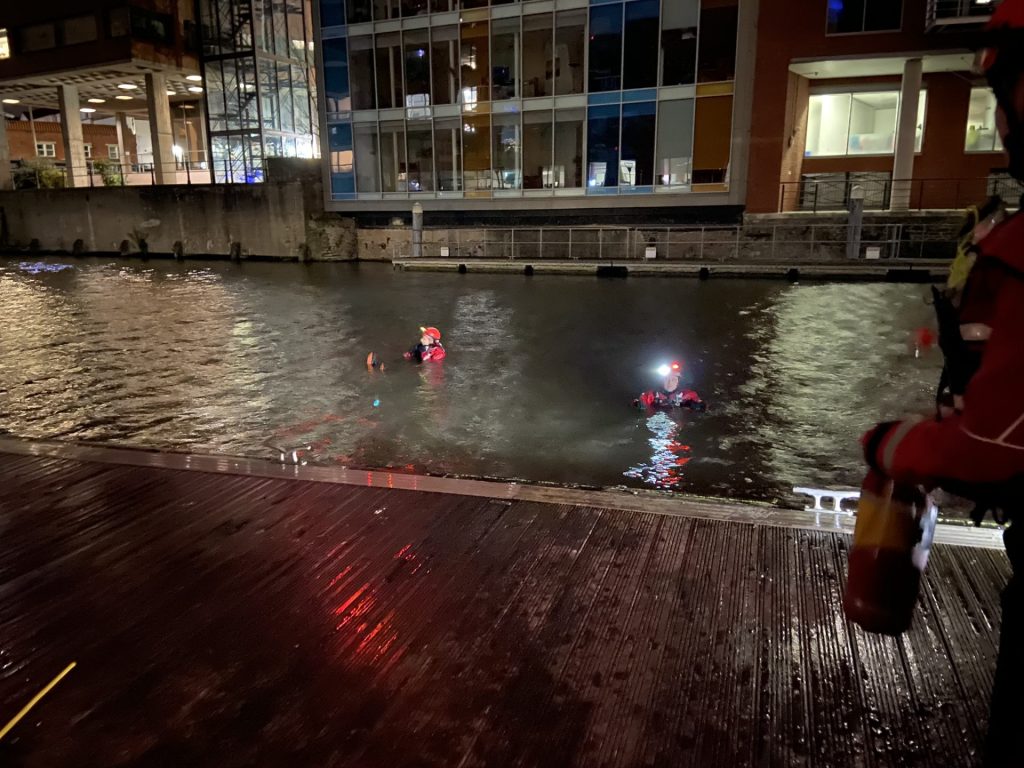
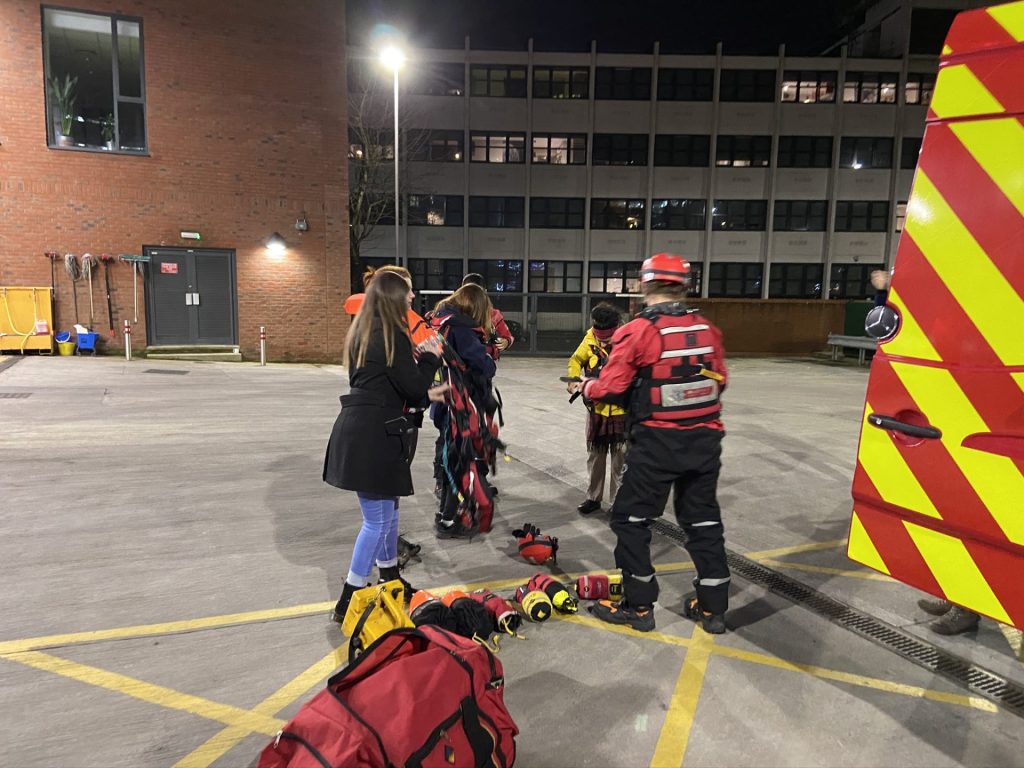
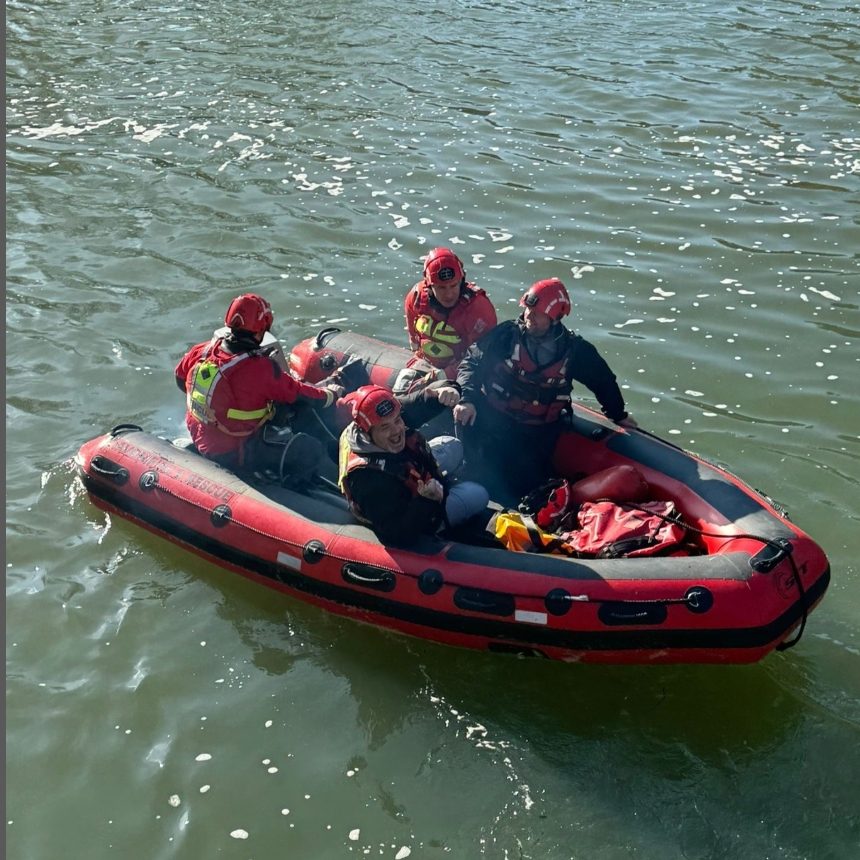
To ensure our teams are well-prepared while out on patrol, we’ve received specialist throwline training from Avon Fire & Rescue Service. This training has strengthened our ability to safely operate near water, especially in situations where we may come across someone in distress.
Supporting People, Safely and Responsibly
We don’t attend emergency incidents or operate like a rescue service — but our teams are often the first to spot someone in a high-risk location. That could be someone sitting by a riverbank, standing on the edge of a bridge, or appearing disoriented near water. These moments are delicate and can change quickly.
Thanks to the training from Avon Fire & Rescue, our volunteers now have a clear understanding of:
- How to safely carry and deploy a throwline if someone ends up in the water nearby
- How to assess the environment without compromising their own safety
- What steps to take while awaiting emergency services
- How to maintain calm, control, and communication under pressure
It’s not about rescue — it’s about being prepared, being steady, and knowing what to do if someone is in immediate danger while we’re already on patrol.
The Environments We Patrol
Our work takes us to places that are often dark, quiet, and out of sight. People in distress tend to isolate — and it’s our job to check those places. Because of this, we regularly cover:
- Towpaths and canal edges
- Isolated bridges and footbridges
- Car parks and elevated structures
- Woodland tracks and cut-throughs
- Areas near rivers, docks, and waterfronts
It’s in these kinds of environments that the throwline training becomes another important part of our kit — just like our radios, torches, and patrol vests.
Putting Volunteer Safety First
Every team member who patrols near water is issued:
- A personal flotation device (life jacket)
- A throwline that’s easily accessible
- High-visibility patrol clothing
- Comms equipment to stay in constant contact with their team
- Lighting tools to support visibility in unlit areas
This is about more than equipment — it’s about ensuring our volunteers feel confident and safe wherever their patrol route takes them.
Keeping People Safe, One Patrol at a Time
We want to thank Avon Fire & Rescue for providing this training — not to turn our team into responders, but to help them stay safe and steady if they come across someone in a vulnerable position.
It’s a quiet kind of prevention. Walking, checking, noticing. Being there when most people aren’t — and being ready, just in case.
To support our work, donate or get involved, visit www.spuk.org.uk
If you or someone you know is struggling, the National Suicide Prevention Helpline UK is available on 0800 587 0800
We walk to prevent. We train to be prepared. We’re out there, because someone has to be.